What the Per Square Foot Number Actually Covers
Per square foot pricing sounds simple, but the figure on a proposal can mean very different things depending on what the contractor folded into it. A complete flat roof replacement on a Mount Comfort commercial building typically includes tearing off the existing roof down to the deck, inspecting and replacing any rotted or wet substrate, installing new insulation to meet current energy code, fastening or adhering a new single ply membrane, detailing all the penetrations, terminations, and edge metal, and hauling the debris away. When one bid comes in three dollars per square foot lower than another, the difference is almost never magic. It is usually thinner insulation, a lighter membrane, fewer fasteners, or a tear off that was quietly downgraded to a recover. Knowing the difference between recovering an existing roof and replacing it (covered in detail in our piece on reroofing versus tear off commercial roof options) is one of the most valuable things a building owner can learn before signing a contract.
The membrane choice carries the biggest single line item. TPO and EPDM tend to land in similar territory for the material itself, while PVC runs higher because of the chemistry and the welded seams. Modified bitumen sits in a middle band, and built up roofing with gravel comes in heavier on both material and labor. Insulation thickness matters more than most owners realize. Going from R-20 to R-30 might add a dollar or more per square foot, but it pays back through lower cooling loads and a longer membrane life because the substrate stays cooler. Attachment method is another quiet line item. Mechanically fastened systems install faster and cost less, while fully adhered systems hold up better in high wind exposures and look cleaner on roofs that are visible from neighboring buildings. The right choice depends on the deck type, the wind zone, and how the building is used below.
A Realistic Range for Mount Comfort Buildings
Here is how the typical Mount Comfort numbers break down across the systems we install most often, presented as installed cost per square foot on a straightforward tear off and replace project. These ranges assume a building between roughly five thousand and forty thousand square feet, with average access and standard penetrations.
Smaller roofs almost always price higher per square foot than larger ones because mobilization, dumpsters, crane time, and crew setup spread across fewer feet. A three thousand square foot roof might run twenty to thirty percent higher per square foot than a twenty thousand square foot job using the same exact materials. Timing plays a role as well. Roofs replaced in the heart of the Indiana season, roughly May through September, tend to price at the top of the contractor's quoted range because crews are booked and material lead times stretch. Projects scheduled in shoulder months, particularly early spring and late fall, often land closer to the bottom of the range, assuming the weather cooperates long enough to dry in the deck and finish the membrane.
Reading a Proposal Like an Owner, Not a Buyer
A trustworthy flat roof replacement proposal in Mount Comfort should spell out the tear off scope, the insulation type and R-value, the membrane manufacturer and thickness, the attachment method, the edge metal and flashing details, the warranty terms, and the disposal plan. Vague line items like "roofing system as needed" should raise a flag. Warranty terms matter too, and the difference between a material only warranty and a full system warranty is significant. We unpack that distinction in our guide to commercial roof warranty NDL versus material coverage, which is worth a few minutes before you sign. Ask whether the warranty covers labor, whether ponding water is excluded, and whether the manufacturer requires periodic inspections to keep coverage active. The cheapest bid often comes with the weakest warranty, and that gap shows up five years in when a seam fails and no one wants to own the repair.
When Mount Comfort Commercial Roofing writes a replacement proposal, the goal is to give the owner enough information to compare apples to apples against any other reputable contractor in Mount Comfort. That means naming the manufacturer, listing the exact membrane mil thickness, stating the insulation R-value and board type, and describing how the perimeter will be terminated. If a competing bid leaves any of those blanks, the conversation worth having is not about price. It is about what is actually being installed on the building, because the per square foot number only means something when both sides are measuring the same thing.
What Pushes Your Per Square Foot Cost Up
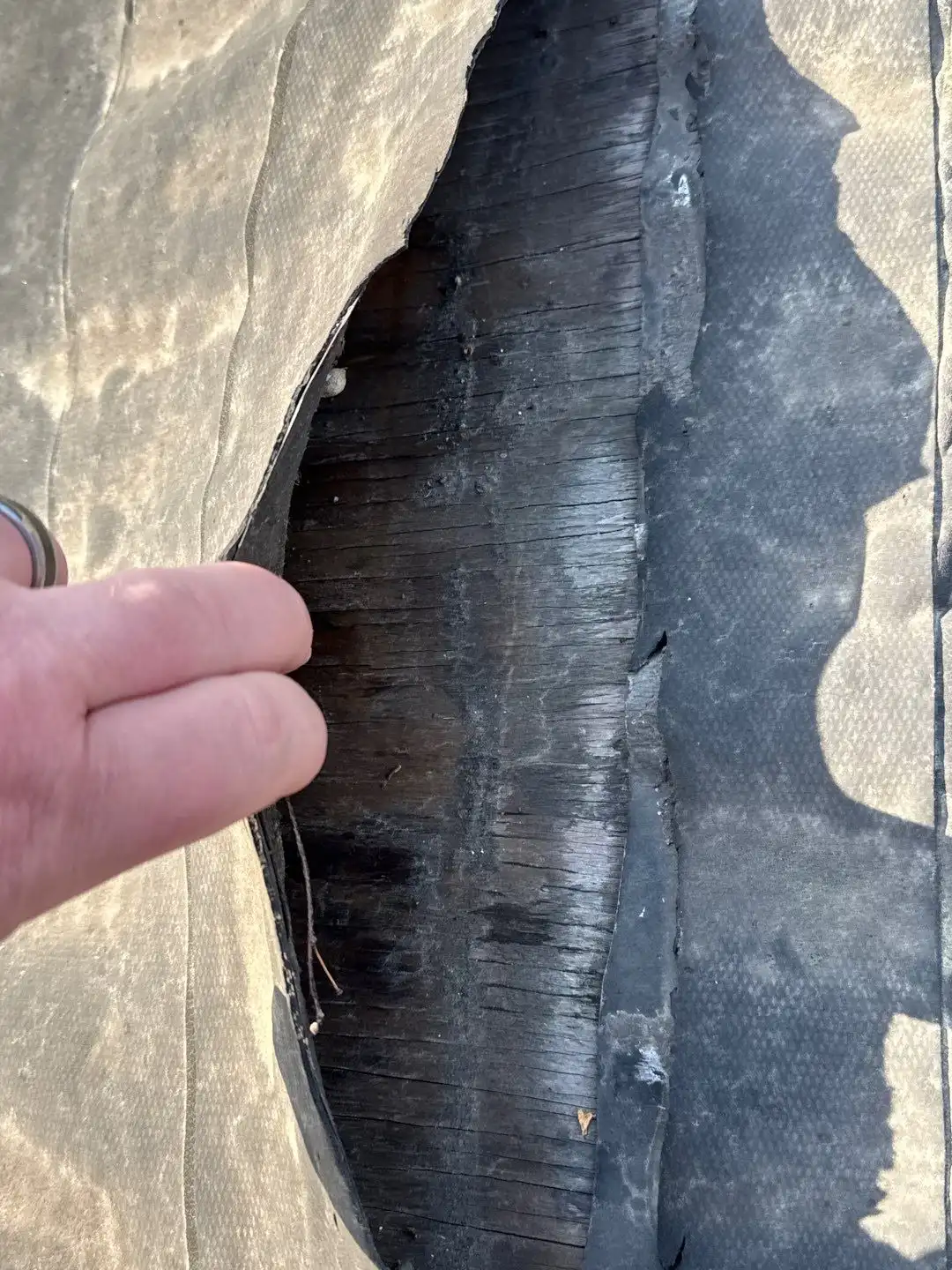
Several variables can swing a Mount Comfort replacement higher than the base ranges. Deck repair is the most common surprise. When tear off reveals wet or rotted decking, replacing sheets of plywood, steel, or gypsum adds materially to the total. Insulation that was saturated from years of small leaks has to come out, and that adds both labor and disposal weight. Buildings with a lot of penetrations such as HVAC units, exhaust fans, pipe stacks, and skylights take more labor per square foot because every one of those features needs flashing and a watertight termination. Tall parapet walls, multiple roof levels, and limited ground access for material staging all add hours that show up in the bid.
Code upgrades can also nudge the number higher. Current energy code in Indiana requires more insulation than many older buildings were built with, and meeting that minimum on a full replacement is not optional. If the original roof had tapered insulation that created positive drainage, replicating that taper on the new system adds material and design time, but skipping it is how ponding water problems start. Buildings with rooftop equipment that needs to be lifted, set aside, and reinstalled, or buildings where curbs and drains need to be raised to accommodate thicker insulation, will see those costs reflected in the proposal as well.
The decision between full replacement and a long term coating system is worth taking seriously before committing to the bigger spend, and we walk through that decision tree in our breakdown of when to coat versus replace your commercial roof. If the existing membrane is structurally sound, a coating can extend service life by ten to fifteen years at a fraction of the replacement cost. If the insulation is wet or the deck is failing, no coating in the world will save you, and replacement is the only honest answer.